
Warning for cryptoasset investors
Changes to the self-assessment tax return signal HMRC’s intention to go after those buying and selling cryptoassets. What’s the full story?
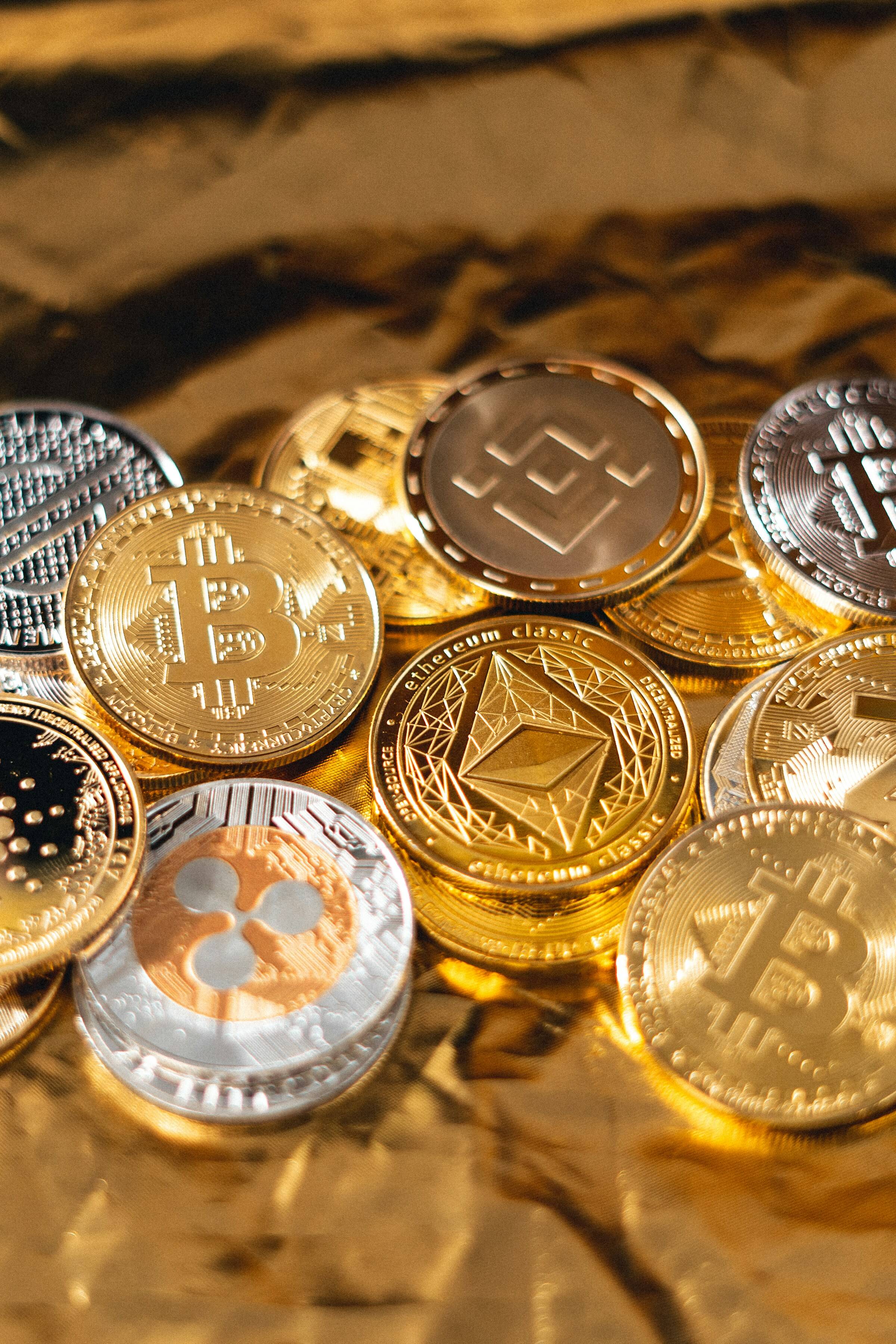
HMRC has already set out its design for self-assessment tax returns for 2024/25. The return will include dedicated questions in the capital gains pages (Form SA108) for purchases and sales of cryptoassets such as Bitcoin and Ethereum. It’s apparent HMRC considers that many taxpayers are not reporting or incorrectly reporting gains or losses they’ve made from investing in cryptoassets. YouGov statistics show that in January 2024 10% of the adult population has bought or own them. This has been the position since mid-2022. Of course, this doesn’t mean they’ve all made gains that ought to have been declared to HMRC, but it believes that there’s a lack of awareness of when a declaration is required.
Another factor makes undeclaration increasingly likely. In the space of a year the annual exempt amount for capital gains has been reduced from £12,300 (as it stood on 5 April 2023) to where it stands now at just £3,000. This means that if the aggregate of all your capital gains, net of any capital losses, made in 2024/25 exceeds £3,000, you will have to pay capital gains tax (CGT) on the excess at 10% if you’re a basic rate taxpayer, or 20% if you pay at the higher or additional rate.
As well as understanding what and how to report, it’s essential that you keep a record of each cryptoasset transaction, i.e. the date, its value in UK sterling and any dealing or brokers’ costs (these are CGT deductible). Keeping good contemporaneous records will make your life much easier in deciding if you need to include a declaration to HMRC and whether you have CGT to pay.
Related News
-
HMRC takes aim at side hustles
People with side hustles are the target of a HMRC press release reminding them of their potential tax obligations. Why has this been published now, and what are the key points to remember?
-
Can sale with no goodwill charge still qualify as TOGC?
You are selling an unprofitable part of your business but the sale does not include any charge for goodwill due to trading losses. Can the sale still qualify as the transfer of a going concern and what conditions must you meet?
-
VAT on electricity to be cut
The new Prime Minister has announced a cut to the rate of VAT on electricity from 1 October. What's the full story?
 This website uses both its own and third-party cookies to analyze our services and navigation on our website in order to improve its contents (analytical purposes: measure visits and sources of web traffic). The legal basis is the consent of the user, except in the case of basic cookies, which are essential to navigate this website.